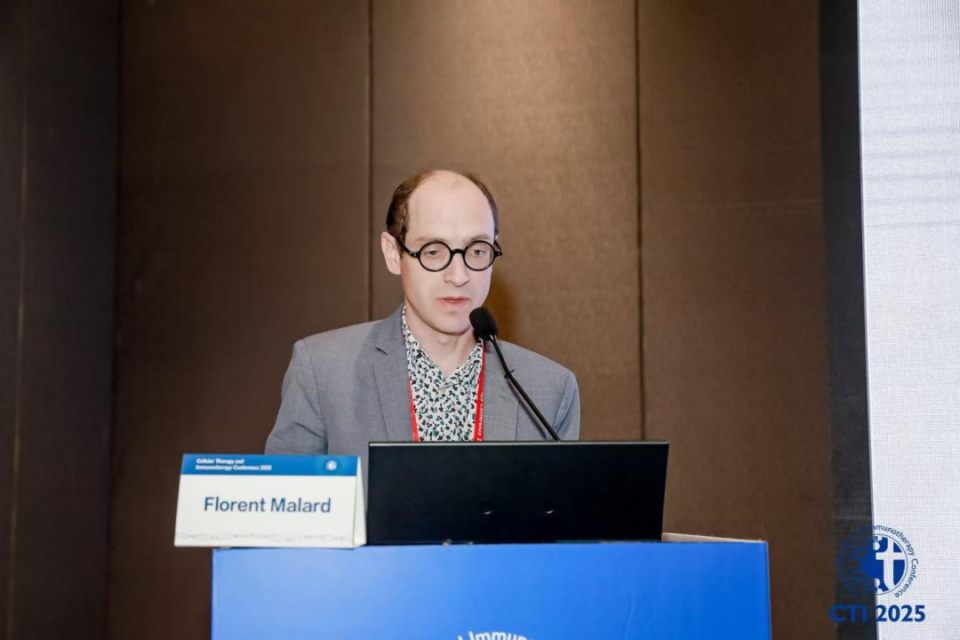
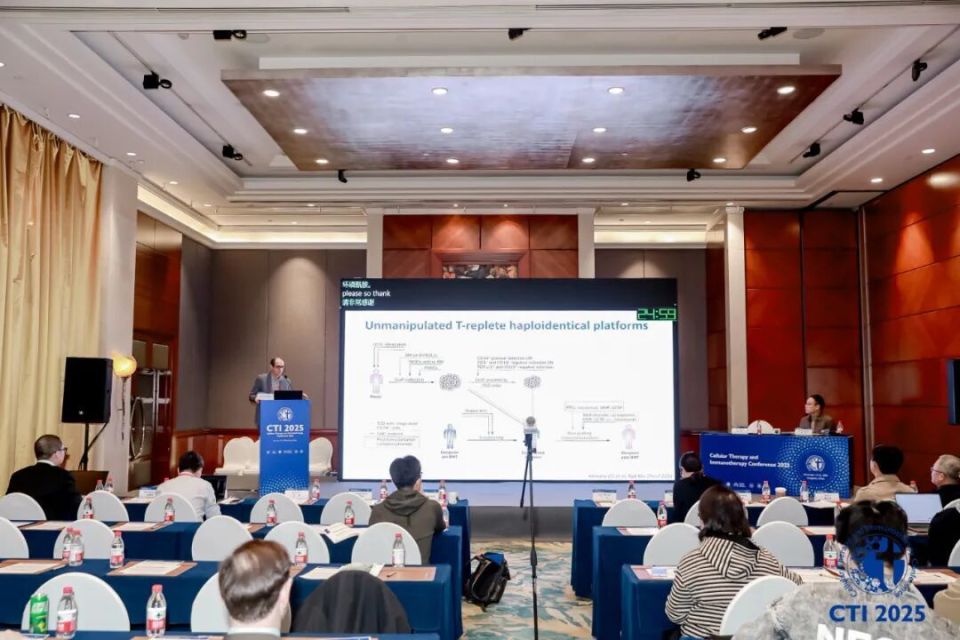
随着移植后环磷酰胺(PTCy)在移植物抗宿主病(GVHD)预防中的广泛应用,造血干细胞移植进入了PTCy引领的新时代。在这一背景下,临床实践面临着如何根据供体类型、预处理强度及患者特征个体化选择预防策略的重要课题。2025年11月13-16日,2025国际细胞与免疫治疗大会(CTI 2025)在浙江杭州召开。会议期间,《肿瘤瞭望-血液时讯》特邀法国巴黎圣安东尼医院Florent Malard教授基于国际视野,从三大维度系统探讨GVHD预防的当前证据与未来方向,旨在为推进GVHD预防的精准化与个体化提供临床参考。
Q1
基于现有证据,在临床决策中,应如何结合患者疾病风险、移植条件及供体特征等因素,个体化地选择PTCy、ATG或传统CNI-based预防策略?
Florent Malard教授:今日我们探讨的核心议题是移植物抗宿主病(GVHD)预防中移植后环磷酰胺(PTCy)的应用策略。当前,随着PTCy时代的到来,GVHD的预防策略已不再局限于PTCy,还可选择抗胸腺细胞球蛋白(ATG)或基于钙调神经磷酸酶抑制剂(CNI)的传统方案。因此,关键问题在于如何根据不同的供体类型个体化地选择适宜的预防方案。
在单倍体相合供体移植中,PTCy已成为广泛采用的共识性预防方案。然而,在HLA全相合的亲缘或非亲缘供体移植中,最佳预防策略仍存在讨论空间。已有在澳大利亚与美国开展的随机对照研究表明,与经典的CNI基础方案相比,PTCy可为患者带来更优的生存结局。然而值得注意的是,这些研究的对照组均未纳入ATG方案,而ATG在某些国家仍是该类移植的标准预防措施。我们团队此前完成的一项随机研究显示,在HLA全相合供体移植中,ATG与PTCy在预防GVHD方面的疗效相当。
因此,基于现有证据,对于HLA全相合供体移植,临床实践中可选用PTCy或ATG作为GVHD的预防方案,这也与欧洲血液与骨髓移植学会(EBMT)最新指南的建议一致。而在HLA不相合的非亲缘供体移植中,现有证据支持PTCy优于其他预防方案,故推荐作为首选策略。总体而言,GVHD的预防策略应结合供体类型、患者具体情况及最新临床研究证据进行综合判断。
Q1、Based on current evidence, In clinical decision-making, how should we individualize the selection of GVHD prophylaxis strategy—whether PTCy, ATG, or traditional CNI-based regimens—by integrating factors such as patient disease risk, transplant conditions, and donor characteristics?
The core topic of our discussion today is the application strategy of post-transplant cyclophosphamide (PTCy) in graft-versus-host disease (GVHD) prophylaxis. Currently, with the advent of the PTCy era, GVHD prophylaxis strategies are no longer limited to PTCy; alternatives include antithymocyte globulin (ATG) or traditional calcineurin inhibitor (CNI)-based regimens. Therefore, the key question lies in how to individually select the appropriate prophylactic regimen based on different donor types.
In haploidentical donor transplantation, PTCy has become a widely adopted consensus preventive regimen. However, the optimal prophylaxis strategy remains a matter of debate in HLA-matched related or unrelated donor transplantation. Randomized controlled trials conducted in Australia and the United States have shown that compared with classic CNI-based regimens, PTCy can bring superior survival outcomes to patients. Notably, ATG-containing regimens were not included in the control groups of these studies, while ATG remains the standard prophylactic measure for such transplantations in certain countries. A previous randomized study conducted by our team demonstrated that ATG and PTCy have comparable efficacy in preventing GVHD in HLA-matched donor transplantation.
Based on existing evidence, for HLA-matched donor transplantation, either PTCy or ATG can be used as the GVHD prophylactic regimen in clinical practice, which is consistent with the recommendations in the latest guidelines of the European Society for Blood and Marrow Transplantation (EBMT). In HLA-mismatched unrelated donor transplantation, current evidence supports that PTCy is superior to other prophylactic regimens, thus it is recommended as the preferred strategy. Overall, the selection of GVHD prophylaxis strategies should be based on a comprehensive judgment considering donor type, individual patient conditions, and the latest clinical research evidence.
Q2
当前临床实践中已形成多种以PTCy为核心的预处理方案,包括单独应用PTCy、低剂量PTCy,以及PTCy联合低剂量ATG或CNI等策略。结合近期临床试验结果及真实世界数据,您认为针对哪些具体临床情境,应优先选择上述不同策略?
Florent Malard教授:在选择移植后环磷酰胺(PTCy)单药或PTCy联合抗胸腺细胞球蛋白(ATG)作为移植物抗宿主病(GVHD)预防策略时,预处理方案的强度是重要考量因素之一。当患者接受清髓性预处理方案并采用外周血干细胞移植物时,其发生急性GVHD的风险相对较高;针对此类患者,联合使用ATG与PTCy可能带来更多获益。我们在塞替派-白消安-氟达拉滨方案中尤其观察到,加用ATG的PTCy联合方案在GVHD预防中安全有效。而在经典的非清髓性方案中,PTCy单药仍被视为标准策略。
关于PTCy的减量使用,现有回顾性数据表明,将总剂量调整为70–80 mg/kg后,急慢性GVHD发生率与常规剂量相当,且安全性良好。部分研究还提示减量方案可能有助于提升患者总生存及无GVHD无复发生存,该趋势已获多个中心验证。然而,目前仍缺乏III期随机对照研究提供高级别证据。
为此,我们计划于明年在法国启动一项临床试验,直接比较70 mg/kg与100 mg/kg总剂量PTCy的疗效与安全性差异。在当前临床实践中,减量PTCy仍主要用于心脏事件或感染并发症风险较高的患者,特别是年龄超过65岁或有心脏病史的个体。
Q2、Currently, a variety of PTCy-based conditioning regimens have been established in clinical practice, including PTCy monotherapy, low-dose PTCy, and PTCy combined with low-dose ATG or CNI. Combined with recent clinical trial results and real-world data, what specific clinical scenarios do you think each of the above strategies should be prioritized for?
When selecting post-transplant cyclophosphamide (PTCy) monotherapy or PTCy combined with antithymocyte globulin (ATG) as graft-versus-host disease (GVHD) prophylaxis strategies, the intensity of the conditioning regimen is one of the important considerations. When patients receive a myeloablative conditioning (MAC) regimen combined with peripheral blood stem cell grafts, their risk of acute GVHD is relatively high; for such patients, the combined use of ATG and PTCy may yield additional benefits. Particularly in the thiotepa-busulfan-fludarabine (TBF) regimen, we observed that the PTCy-ATG combination is safe and effective for GVHD prophylaxis. In contrast, PTCy monotherapy remains the standard strategy in classic non-myeloablative conditioning (NMA) regimens.
Regarding the reduced-dose use of PTCy, existing retrospective data indicate that adjusting the total dose to 70–80 mg/kg results in similar incidences of acute and chronic GVHD compared with the standard dose, with favorable safety profiles. Some studies also suggest that the reduced-dose regimen may improve overall survival (OS) and GVHD-free, relapse-free survival (GRFS) in patients—a trend validated by multiple centers. However, high-level evidence from phase III randomized controlled trials (RCTs) is still lacking.
To address this gap, we plan to launch a clinical trial in France next year, directly comparing the efficacy and safety of PTCy at total doses of 70 mg/kg versus 100 mg/kg. In current clinical practice, reduced-dose PTCy is mainly used in patients at high risk of cardiac events or infectious complications, especially those over 65 years of age or with a history of heart disease.
Q3
回顾您关于移植后环磷酰胺在降低移植物抗宿主病风险的临床试验结果,哪些新兴见解为优化T细胞充足的单倍体相合移植的未来方向提供了建议?
Florent Malard教授:在PTCy的临床应用方面,目前仍存在进一步优化的空间。如前所述,PTCy剂量调整是当前最具前景的策略之一,其在维持相当疗效的同时可能降低不良反应发生率。除剂量优化外,联合用药策略也是重要研究方向,即探索PTCy与其他预防方案的协同作用,以及其他具有潜力的新型预防手段。
例如,我们正在开展一项关于微生物群疗法的临床试验,通过口服胶囊制剂进行粪便微生物群移植。初步结果显示,该疗法可能有助于降低移植物抗宿主病(GVHD)及相关感染事件的发生风险。
未来,我们将进一步探索如何将此类新策略整合于临床实践,以期提升患者疗效与治疗安全性。
Q3、Reflecting on the clinical trial results from your work on post-transplant cyclophosphamide in reducing graft-versus-host disease risks, what emerging insights suggest for future directions in optimizing T-cell-replete haploidentical transplantation?
In the clinical application of post-transplant cyclophosphamide (PTCy), there remains room for further optimization. As previously mentioned, dose adjustment of PTCy is one of the most promising strategies currently, as it may reduce the incidence of adverse events while maintaining comparable efficacy. In addition to dose optimization, combination therapy strategies also represent an important research direction—exploring the synergistic effects of PTCy with other prophylactic regimens, as well as other potential novel prophylactic approaches.
For instance, we are conducting a clinical trial on microbiota therapy, which involves fecal microbiota transplantation (FMT) via oral capsule formulations. Preliminary results indicate that this therapy may help reduce the risk of graft-versus-host disease (GVHD) and related infectious events.
In the future, we will further explore how to integrate such novel strategies into clinical practice, with the aim of improving patient outcomes and treatment safety.
专家简介
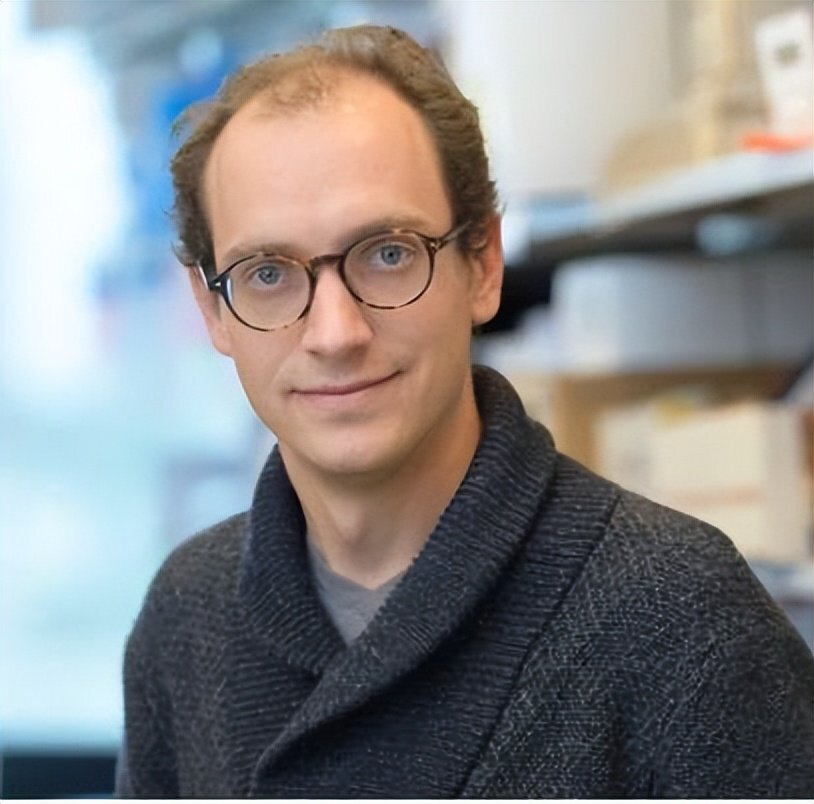
Florent Malard教授
法国巴黎圣安东尼医院
医学博士,哲学博士
先后毕业于法国南特大学医学院(获医学博士学位)及巴黎皮埃尔与玛丽·居里大学(于2014年获哲学博士学位)。
现任法国巴黎圣安东尼医院血液科主治医师,并任教于巴黎索邦大学。
Malard教授曾荣获多项学术荣誉,包括美国血液学会摘要成就奖(2015年)、法国血液学会及Laurette Fugain研究奖(2014年)。
同时,他担任欧洲血液与骨髓移植学会细胞治疗与免疫生物学工作组微生物群研究项目的牵头人。